
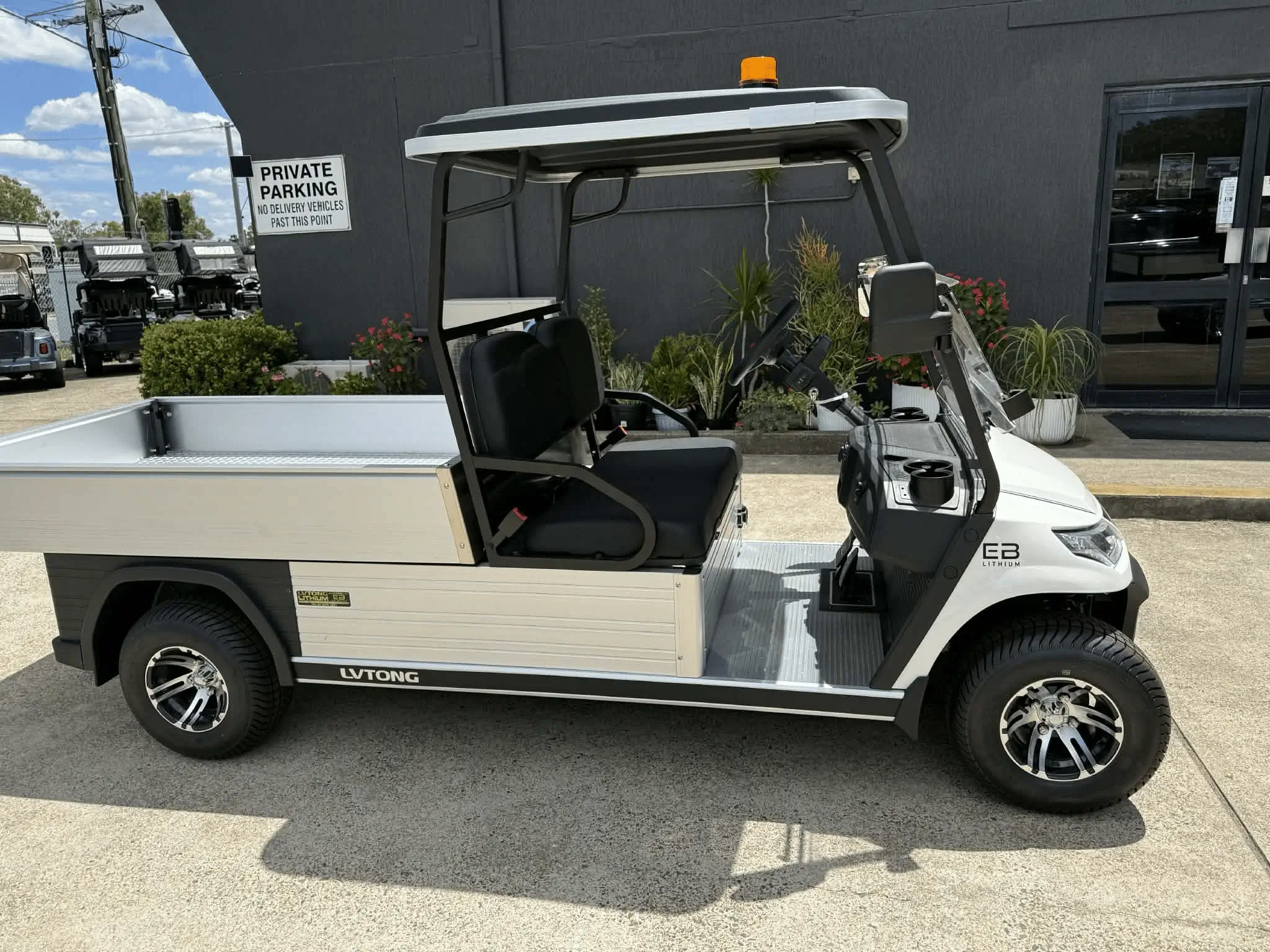
Choosing between industrial vehicle manufacturers is not just about finding a vehicle with the right load rating or price. It is about choosing a worksite partner that can support safe operation, steady uptime, and practical day-to-day use.
For businesses in Melbourne and nearby areas, this choice often comes down to fit. A warehouse may need a tow tractor for moving trailers. A council depot may need a quiet electric utility vehicle. A hospital, campus, or resort may need a safe people mover. The right brand should match the task, the site layout, and the way your team works.
Key points
- Strong build quality helps vehicles cope with repeated worksite use.
- A broad product range makes it easier to choose the right model for the job.
- Safety, service access, and spare parts availability should be checked early.
- Electric options can suit quieter, cleaner, and more controlled environments.
- Local support can help reduce delays when service or parts are needed.
Start with build quality and site conditions
A dependable industrial vehicle should be built for the environment it will work in. Before comparing brands, look at the ground surface, travel distance, load weight, towing needs, operator comfort, and daily run time.
A vehicle used on smooth warehouse floors will not face the same conditions as one used across a large outdoor site. Buyers should also think about turning circles, braking, visibility, seating, weather protection, and the type of attachments the vehicle may need.
Good build quality is not only about strength. It is also about how well the vehicle performs under regular use, how easy it is to inspect, and how simple it is to maintain.
Compare the product range, not just one model
Some suppliers focus on a narrow set of vehicles. Others can help you compare several categories and brands, which is useful when your site has more than one transport need. Industrial
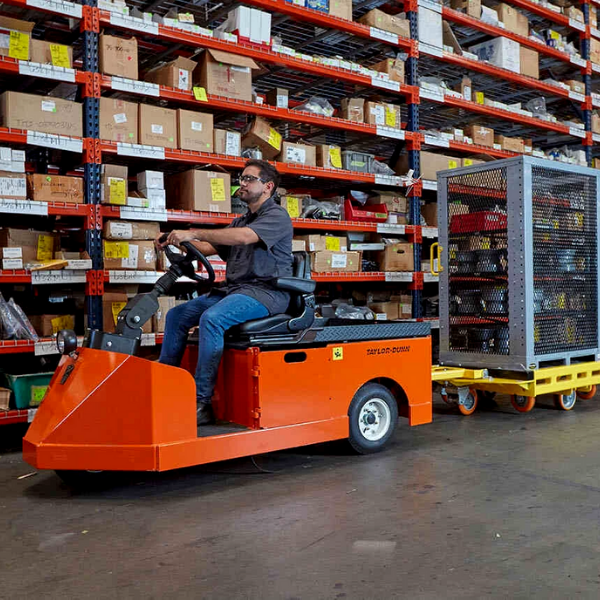
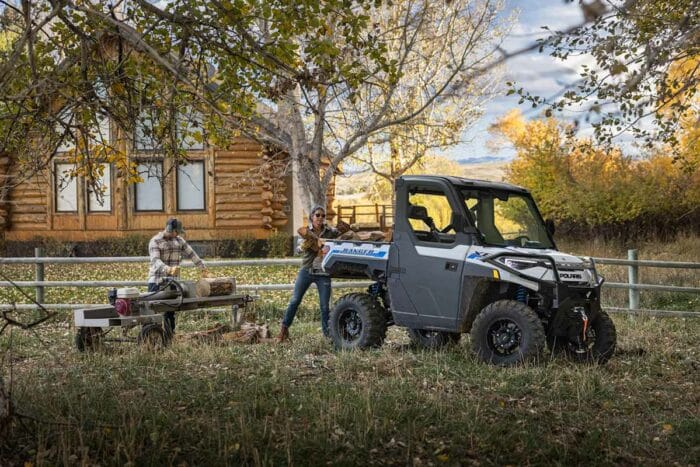
Vehicles works with trusted industrial vehicle brands including Taylor-Dunn, Polaris, EMC, Goupil, GEM, and Columbia, giving businesses more choice across towing, carrying, electric transport, and people movement.
Tow tractors are often used to move trailers, bins, and loads across warehouses, factories, and distribution centres. Utility vehicles can help maintenance teams carry tools, materials, and equipment. People movers are useful for large facilities, tourism sites, hospitals, and campuses.
Electric vehicles are also worth reviewing if noise, fuel handling, or indoor operation are part of the decision. Industrial Vehicles offers a range of electric industrial vehicles for moving people, materials, and equipment across business environments.
Make safety part of the buying process
Safety should be included before a vehicle is selected, not added later. Worksites often have pedestrians, forklifts, loading zones, parked equipment, and tight access areas. The vehicle needs to fit within that traffic plan.
Safe Work Australia recommends managing workplace traffic risks where people, vehicles, and mobile plants operate in the same area, including risks linked to movement, visibility, and separation (Safe Work Australia).
When assessing a manufacturer, ask about braking, speed control, warning devices, lighting, mirrors, seat belts, operator position, and passenger security. These details can help your team operate with more confidence.
Review electric options with practical questions
Electric site vehicles can be a good fit for indoor areas, public-facing spaces, and facilities that want quieter operation. They can also suit businesses looking to reduce fuel storage and daily engine maintenance.
The key is to match the vehicle to the duty cycle. Ask about battery range, charging time, load limits, towing capacity, terrain, and service support. An electric model should still meet the same performance needs as any petrol or diesel option.
Check spare parts and service backup
A vehicle that is hard to service can create avoidable downtime. Before choosing a brand, ask where parts are held, how service bookings work, and whether mobile support is available for your area.
This is especially useful for Melbourne businesses that rely on vehicles every day. Local support can make a difference when a vehicle needs inspection, repair, or a replacement part. It also gives your team a clearer path for scheduled maintenance.
Ask whether the vehicle can be customised
Not every site works around a standard vehicle. You may need special hitching, trays, cabins, lights, signage, seating, weather protection, battery changes, or a trailer designed for a specific task.
That is where customisation becomes valuable. Industrial Vehicles provides custom industrial vehicle solutions for businesses that need a vehicle adapted to their operating requirements. A tailored build can help improve fit, reduce manual handling, and support safer workflows.
Use this manufacturer comparison checklist
Before choosing a brand, check whether the supplier can support your site in these key areas:
- Build quality: Can the vehicle handle regular use, load demands, and site conditions?
- Product range: Can you compare tow tractors, utility vehicles, people movers, and electric options?
- Safety: Does the vehicle suit your traffic plan, operator needs, and pedestrian areas?
- Electric options: Is there a suitable battery-powered model for your duty cycle?
- Spare parts: Are common parts available without long delays?
- Service support: Can the supplier assist with scheduled maintenance and repairs?
- Customisation: Can the vehicle be adapted with trays, cabins, hitching, lighting, or trailers?
- Warranty: Are the terms clear, practical, and suited to commercial use?
- Local backup: Is there support available for Melbourne and nearby worksites?
Look at the warranty and whole-of-life value
The lowest purchase price may not deliver the best value. A better comparison includes warranty terms, servicing needs, parts access, expected downtime, operator training, and how well the vehicle suits future use.
A reliable manufacturer should make ownership easier, not harder. Clear documentation, serviceable design, and access to support can help your business manage the vehicle with fewer surprises.
Choosing a manufacturer in Melbourne
For Melbourne and nearby Victorian businesses, it helps to work with a supplier that understands industrial sites, can discuss your application clearly, and can support the vehicle after sale.
Before you choose, map the job in detail. List what needs to be moved, how far it travels, where the vehicle will operate, who will use it, and what support your team will need. This gives you a stronger basis for comparing brands and choosing the right fit.
FAQ
1. What should I look for in industrial vehicle manufacturers?
Look for build quality, suitable models, safety features, service access, parts availability, warranty, and local support. The right supplier should help you match the vehicle to your site, not simply sell the closest available model.
2. Are electric industrial vehicles suitable for busy worksites?
Yes, when they are matched to the task. Check battery range, charging access, towing needs, load capacity, and terrain before choosing an electric model.
3. Why does spare parts availability matter?
Parts access can affect how quickly a vehicle returns to work after service or repair. A supplier with clear parts support can help reduce avoidable delays.
4. Can industrial vehicles be customised?
Yes. Custom options may include trays, cabins, lighting, hitching, seating, signage, trailers, and other changes that help the vehicle suit your site.
5. How can I choose the right brand for my Melbourne worksite?
Start with your daily operating needs, then compare brands against safety, performance, support, and serviceability. A local specialist can help assess the application and recommend a practical option.
