
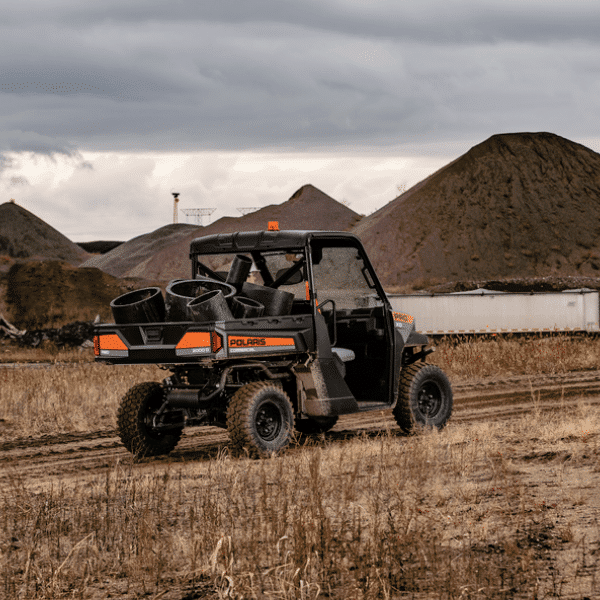
When you need industrial vehicle hire for your site, speed matters. So does getting the choice right.
The right vehicle keeps goods moving, supports your team, and helps the site run smoothly. The wrong one can slow work, create awkward workarounds, and add risk. That is why it pays to check a few practical details before you make an enquiry.
If you are reviewing industrial vehicle options for your business, this is where to start.
Key points
- Start with the job the vehicle needs to do each day.
- Check site layout, ground conditions, and traffic flow.
- Confirm real carrying or towing needs, not rough estimates.
- Ask what support is available if the vehicle needs attention.
- Choose a solution that suits the task now and your operation over time.
1. Start with the job, not the vehicle label
Start with the work itself.
What does the vehicle need to do each day? Will it tow carts through a warehouse, carry tools and parts across a maintenance site, move staff around a large facility, or handle a mix of tasks across one location?
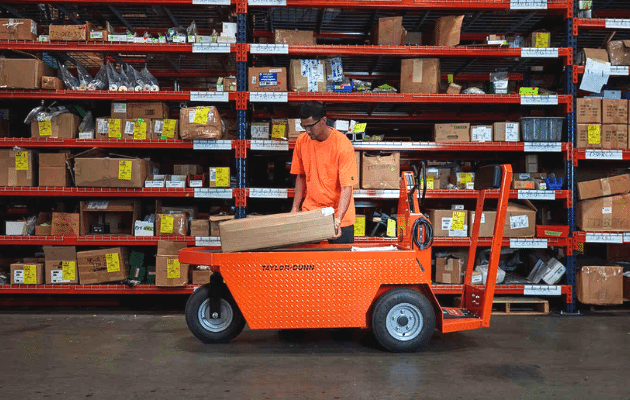
That matters because industrial vehicles are built for different applications. A model that works well for towing may not be the best fit for carrying equipment on board. In the same way, a general utility vehicle may not be the smartest option if the real job is repetitive towing across set routes. If towing is the main task, it makes sense to review purpose-built options such as the Tow a Load range. If the vehicle needs to carry goods, tools, or maintenance supplies, payload, tray layout, and access may matter more.
It also helps to be clear about why the vehicle is needed. Some businesses need extra capacity during shutdowns, seasonal peaks, contract work, or unexpected fleet downtime. Others want to test a vehicle in real conditions before making a bigger fleet decision. A clear brief leads to a better recommendation.
2. Look closely at the site conditions
A vehicle can look right on paper and still be wrong for the site.
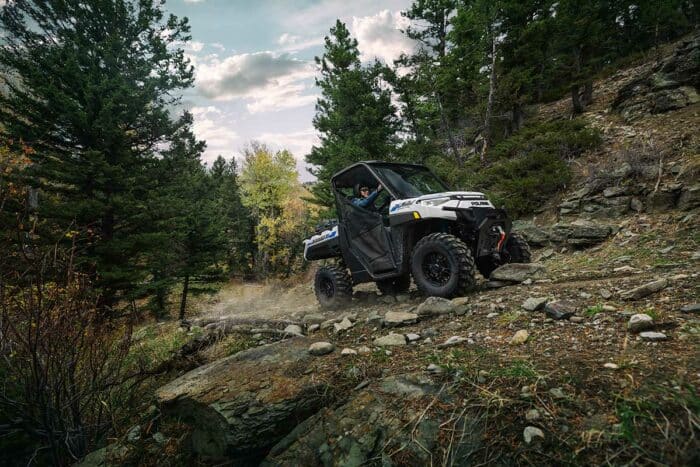
Before narrowing the shortlist, look at where it will be used. Will it operate indoors, outdoors, or across both? Will it run on smooth warehouse floors, mixed ground, steep ramps, or long outdoor routes? Will it share space with pedestrians, forklifts, or other equipment?
These details shape what will work well day to day. Indoor environments often call for tight turning, clean operation, and low noise. Outdoor work may need more ground clearance, weather protection, and a power source suited to longer runs. Industrial Vehicles explains in its power source guide that electric vehicles can suit businesses looking for zero emissions and lower running costs, while petrol or diesel may be a better fit where easy refuelling or stronger hauling performance is needed.
This is also where safety comes into the conversation. Safe site planning matters, especially when the vehicle will move through shared areas or around other equipment. Industrial Vehicles’ own guidance and your site controls should both be part of the decision.
The better you understand the site, the easier it is to choose a vehicle that fits the work.
3. Be specific about carrying and towing requirements
This is where many enquiries become too broad.
Instead of estimating, get specific. What will the vehicle carry or tow on a normal day? What happens during a busy period? How many trips will it do? How far will it travel? Will it need to stop and start on inclines or uneven surfaces?
If the vehicle will be towing, look at trailer weight, hitch type, route conditions, and how often the work repeats across the day. If it will be carrying goods on board, check payload, tray size, load access, and how the weight will sit on the vehicle.
Context makes a big difference. A warehouse pulling light carts across a short route may need a very different setup from a distribution site towing heavier loads over longer distances. A facilities team moving tools and parts between jobs may care more about tray access and easy movement than headline towing numbers. A health, tourism, or precinct setting may need a balance between carrying capacity and controlled site movement.
Leaving some margin is sensible too. In practice, that means choosing a vehicle that is comfortably suited to the task, not one that only just covers it.
4. Ask about support before the vehicle arrives
A good vehicle choice is only part of the picture. The support behind it matters as well.
Before you move ahead, ask whether the right model is available for your timeframe, what happens if demand is high, and whether a suitable alternative is available if needed. Then ask about servicing and breakdown support. If the vehicle is tied to production, maintenance, guest services, or site access, downtime can quickly become expensive.
This is one reason Industrial Vehicles stands out as more than a simple supplier. The business supports customers with fleet options, servicing, spare parts, and site-specific modifications, which gives buyers a more practical path forward when the requirement is not straightforward. If your site needs something more tailored, it is worth reviewing Custom Solutions early in the process. A better fit from the start can save time later and help teams work more smoothly from day one.
Think about the immediate need and the bigger picture
Sometimes the need is simple. You need another vehicle on site so work can keep moving.
Sometimes the need points to something bigger. The task may show that your operation needs a longer-term fleet addition, a different vehicle setup, or a more reliable support arrangement than you have now.
That is why the most useful conversations are not limited to a single product request. Industrial Vehicles can support businesses with short-term and long-term hire, new vehicles, second-hand stock, servicing, spare parts, and customisation. That makes it easier to solve the immediate problem while also working out what will suit the operation over time.
The goal is not simply to get a vehicle. It is to get the right fit for the job, the site, and the way your business runs.
Before you enquire, be ready to explain the task, site conditions, travel distance, carrying or towing needs, timeframe, and any support requirements. Then you can have a more useful conversation from the start. To talk through the right option for your site, contact Industrial Vehicles and speak with the team about your application and next steps.
Frequently Asked Questions
1. What should I have ready before I ask for a recommendation?
Have a clear picture of the task, site conditions, travel distance, carrying or towing needs, and timeframe. The more detail you can share, the easier it is to recommend a vehicle that fits the work properly.
2. How do I know whether I need a towing vehicle or a carrying vehicle?
Look at the main job the vehicle will do most often. If it will spend most of its time pulling carts or trailers, towing performance matters most. If it needs to carry tools, parts, or supplies on board, payload and tray setup are usually more relevant.
3. Why do site conditions matter so much?
Because the same vehicle can perform very differently depending on the environment. Ground surface, gradients, turning space, traffic flow, and whether the vehicle runs indoors or outdoors all affect suitability, safety, and ease of use.
4. Should I ask about servicing and parts before making a decision?
Yes. If the vehicle supports daily operations, you need to know what help is available if something goes wrong. Early questions about support can prevent delays later.
5. Can Industrial Vehicles help if I am not sure what type of vehicle suits the site?
Yes. That is one of the main benefits of speaking with a specialist supplier. Industrial Vehicles can help businesses look at the task, the site, and the longer-term requirement, then recommend a practical path that suits the operation.
