

Choosing the right industrial vehicle can improve safety, reduce wasted trips, and help your team move people, tools, or materials more efficiently. It can also prevent a costly mistake, buying a vehicle that looks suitable at first, but does not match your site, workload, or operating conditions.
For businesses in Melbourne and nearby areas, the best buying decisions usually start with a few practical questions. What does the vehicle need to do each day? How much does it need to carry or tow? What surfaces, slopes, and distances will it handle? Will it operate indoors, outdoors, or across both environments?
This guide is designed to help you answer those questions before you enquire, so you can compare options with more confidence and choose a vehicle that supports day-to-day performance.
Key points
- Start with the task, not the brand or model.
- Check site conditions, load requirements, and route length early.
- Match the power source to the environment and daily use.
- Look beyond purchase price and assess service, parts, and support.
What is an industrial utility vehicle?
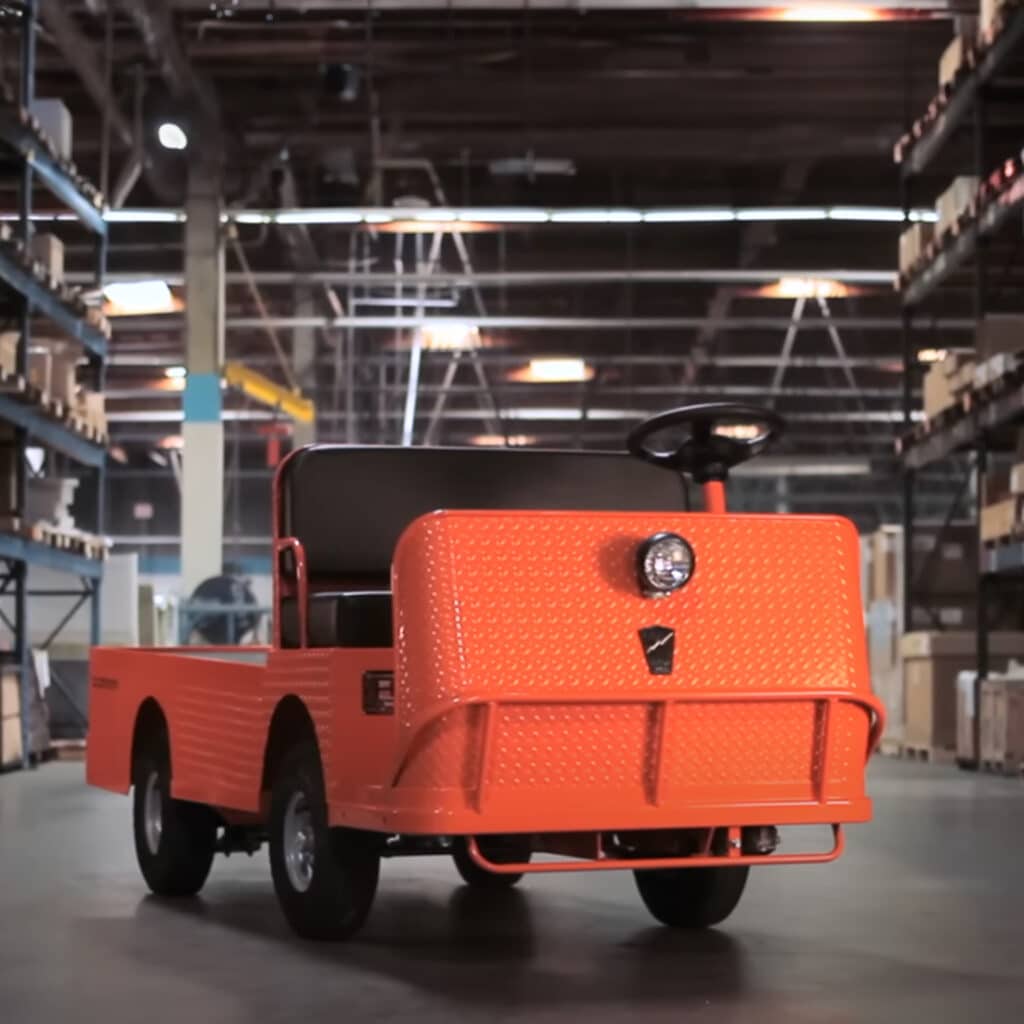
An industrial utility vehicle is a compact work vehicle used to move tools, materials, equipment, or staff around a site. It is built for industrial and commercial environments where full-size road vehicles are not always practical or efficient.
That can include carrying maintenance gear across a hospital campus, moving supplies through a warehouse, supporting facilities teams on large properties, or handling equipment on industrial sites. If your business is comparing options, start by reviewing the range of industrial utility vehicles available for different site requirements.
Start with the job the vehicle needs to do
A strong buying decision begins with the real task. Many businesses compare models too early, before they have clearly defined what the vehicle will do.
Start with these questions.
1. What are you moving?
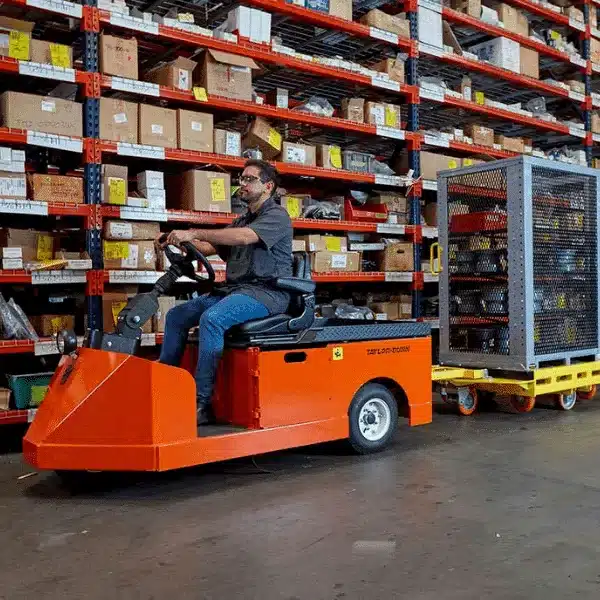
Some vehicles are better for carrying tools, stock, or materials. Others are built to tow carts or trailers. Some are designed mainly for moving staff, visitors, or patients across larger sites. The clearer the task, the easier it becomes to narrow the options.
2. How often will it be used?
A vehicle used a few times a week has very different demands from one used every shift. Frequent use affects wear, run time, maintenance planning, and long-term value.
3. Who will operate it?
Operator experience matters. A simple vehicle may be the better fit for sites where several team members will use it. A more specialised unit may suit an operation with dedicated users and set procedures.
Check site conditions before you compare models
The vehicle has to suit the environment as much as the task. This is where many buying decisions improve or fall apart.
Start with the route. Look at the surface type, slope, distance, turning space, and access points. A vehicle that works well on smooth concrete may not suit rough outdoor ground. A larger model may offer more capacity, but that advantage can disappear if it is difficult to maneuver around narrow paths, loading zones, or pedestrian traffic.
Then assess the load. You need a realistic view of what the vehicle will carry or tow, not the lightest version of the job. Think about the heaviest regular load, not just the average one. If the vehicle will move people, consider seat numbers, entry and exit, and passenger comfort.
It also helps to look at the wider operating environment. Warehouses, hospitals, councils, tourism venues, factories, and construction sites all have different priorities. Some sites need quieter operation. Others need stronger outdoor capability. Some need custom trays, storage, or towing points. The right vehicle is not always the biggest or most powerful option. It is the one that fits the site with the least compromise.
Choose the right power source
Power source has a direct effect on how well the vehicle fits your operation. It influences run time, maintenance, noise, charging or refuelling needs, and day-to-day practicality.
Electric vehicles can be a good choice for sites that value quieter operation, lower local emissions, and cleaner performance in controlled environments. They can suit warehouses, hospitals, campuses, hospitality venues, and facilities management settings where noise and location of use matter.
Other sites may need a different powertrain because of terrain, heavier-duty work, or longer operating periods between charging opportunities. The right choice depends on the route, workload, and conditions, not on what is most popular.
Before making a shortlist, it is worth reviewing the Choosing Power Source guide so the decision is based on practical use, not guesswork.
Think beyond the purchase price
The upfront price matters, but it should never be the only factor. A lower-cost vehicle can become more expensive over time if it is not well matched to the task or if parts and service are difficult to access.
Ask what happens after delivery. Can the supplier help with servicing? Are spare parts easy to source? Can the vehicle be adjusted if your requirements change? Is a hire available if you want to test a solution before committing to a purchase?
These questions matter because downtime affects workflow quickly. If the vehicle is central to moving stock, staff, or equipment, delays can create wider operational problems. Local service support and practical advice often have more value than a lower initial quote.
Standard model or custom setup?
Many businesses can choose a standard vehicle and get moving quickly. This works well when the task is straightforward, and the site does not have unusual access, storage, or load requirements.
A custom setup can make more sense when a standard model leaves gaps. This might include special trays, towing points, storage layouts, seating arrangements, or features designed around a specific route or workflow. A better fit can improve ease of use and reduce the need for workarounds later.
A simple industrial vehicle buying checklist
Use this checklist before requesting a quote:
- Define the main task: carrying, towing, people movement, or mixed use.
- Check the site, including surface, slope, distance, and access points.
- Confirm the real load or passenger requirement.
- Assess how often the vehicle will be used.
- Match the power source to the environment and daily demand.
- Ask about servicing, spare parts, and ongoing support.
- Consider whether a standard model is enough or if customisation would improve fit.
- Compare long-term value, not just purchase price.
Need help choosing the right industrial vehicle?
If you are comparing options for a warehouse, factory, hospital, council site, or commercial facility, the right advice can save time and help you avoid an expensive mismatch. Industrial Vehicles can help you assess your site, workload, and operating conditions so you can choose a vehicle that fits the job properly.
Contact the team to discuss your requirements and get practical guidance on the right vehicle for your operation.
Frequently asked questions
1. What is the difference between an industrial utility vehicle and a tow tractor?
An industrial utility vehicle is usually designed to carry tools, materials, or equipment on the vehicle itself. A tow tractor is built mainly for pulling trailers or carts, which makes it better suited to repeated towing tasks.
2. Should I choose an electric industrial vehicle?
Electric models can work well in facilities where quieter operation and lower local emissions are important. The right choice still depends on route length, load demands, and whether charging fits your daily workflow.
3. How do I know what size vehicle I need?
Start with the heaviest regular load, the longest normal route, and the tightest access point on site. That gives you a better buying benchmark than choosing based on average conditions alone.
4. Is it worth considering a custom vehicle setup?
Yes, especially if a standard model leaves gaps in access, storage, towing, or task fit. A custom setup can improve usability and support smoother day-to-day work.
5. What should I ask a supplier before I enquire?
Ask about site suitability, service support, spare parts access, and whether they can help assess your application. A good supplier should help you choose the right fit for your operation, not just offer the nearest available model.
